
Pixel Forge Logo Pixel Forge Contact Us
Contact Us

Building Games as a Small Team

12 min read Intermediate May 2026
Team of developers collaborating in a casual studio space with game posters on walls and whiteboards showing game design sketches

Creating a game with just three to five people sounds impossible. But it’s not. The indie teams producing the most memorable games aren’t the ones with massive budgets — they’re the ones with clear direction, smart workflows, and honest communication. Here’s what actually works when you’re building something real with limited resources.

Start with a Scope You Can Actually Finish

The first mistake small teams make is aiming too high. You’ll see ideas that sound amazing in a pitch meeting but require 18 months and a team of 12. That’s not your reality. Your scope needs to match your actual capacity.

Think in terms of what you can ship in 6 to 12 months with your current team size. A small game with depth beats a massive game that never gets finished. We’re talking about something players can complete in 3 to 8 hours, not an open-world experience with 200 hours of content. That focus matters more than you’d expect.

The team that built Disco Elysium was roughly 15 people. Hollow Knight? About the same size. Both games are phenomenal because the scope matched the team. You don’t need hundreds of people. You need realistic expectations.


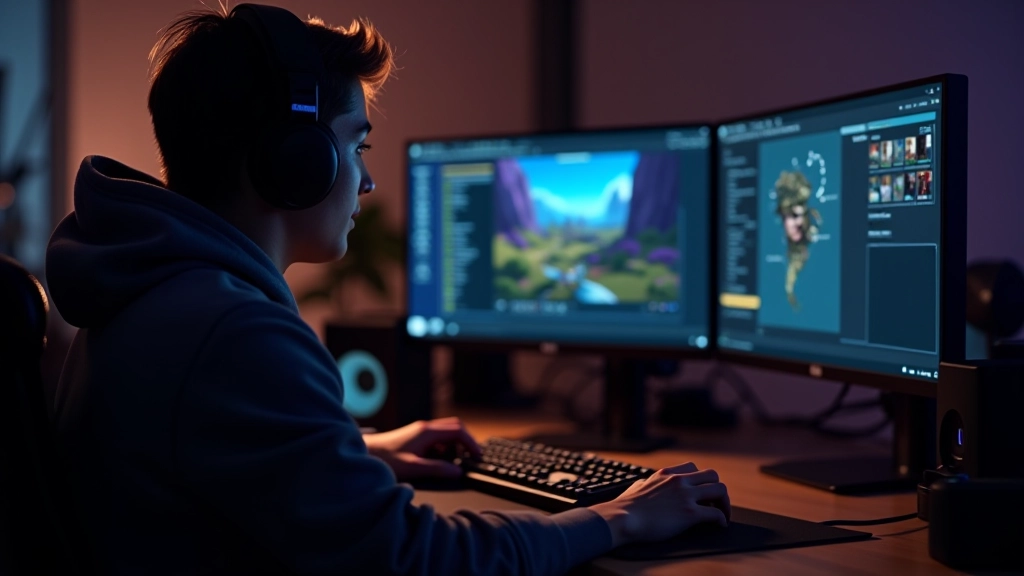
Game development workspace with multiple monitors showing game prototype, development tools, and design documents organized on desk
Team members gathered around whiteboard during design meeting, sketching game mechanics and level layouts with markers

Define Roles Early and Stick to Them

Everyone wearing 17 hats sounds efficient on paper. In practice, it’s chaos. People need to know what they’re responsible for, and they need to know that responsibility won’t shift every week based on the latest crisis.

In a five-person team, you might have a lead programmer, a designer, an artist, an audio person, and someone handling production and builds. Clear. Each person knows their domain. When something breaks in code, the programmer owns it. When the game feels wrong mechanically, the designer investigates. No ambiguity.

That doesn’t mean people can’t help in other areas. But it means someone’s always accountable. Without that, decisions take forever and problems fall through cracks. You’ll notice this especially when you’re on a tight schedule — which you will be.

Build Your Workflow Around Communication

Asynchronous communication sounds professional. It’s also a disaster for small teams. You need to talk to each other constantly — not through emails that take six hours to get answers, but in real time. Daily standups are essential. Fifteen minutes. Each person: what they did, what they’re doing today, what’s blocking them.

Tools matter here. A good Slack channel for your game is worth its weight in gold. Screenshots of features in progress, quick decisions made on the fly, someone catching a bug before it becomes a nightmare. When the programmer says “I’m integrating the audio system today,” the sound designer can watch progress and jump in if something’s off. That real-time feedback loop saves weeks.

Version control is non-negotiable. Git, Perforce, whatever you use — get it right from day one. Merge conflicts are painful enough without also losing work. And documentation. Write it down. How does the build process work? What’s the naming convention for assets? Future you will be grateful.

Team members in video call on laptop screen during remote development session with chat window visible
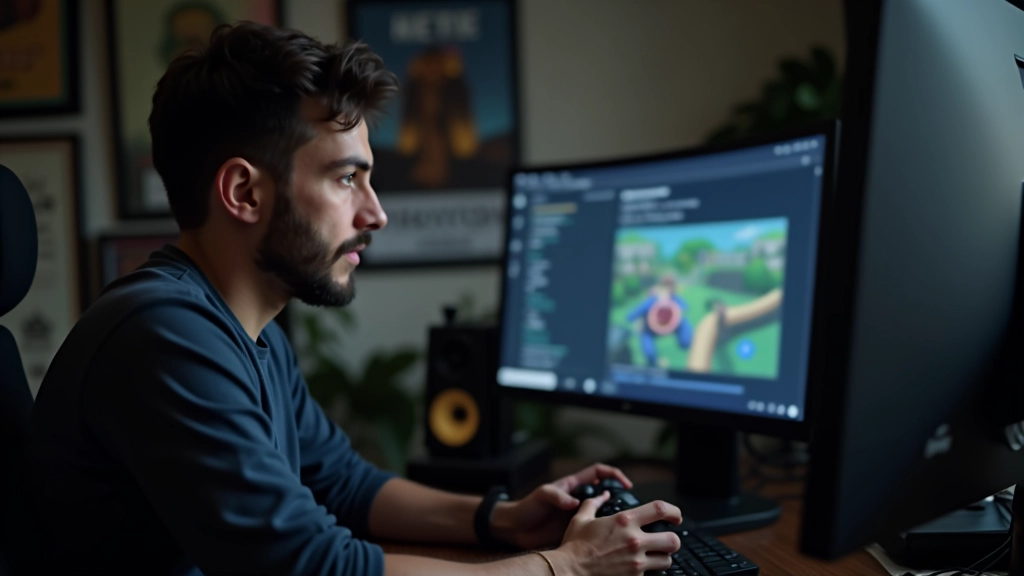
Game testing session with developer holding controller, testing gameplay on monitor with notes visible

Test Early and Often With Real Players

You can’t rely on internal feedback. Your team built this game. You’re too close to it. You’ll miss what’s obvious to someone playing it for the first time. Getting external eyes on your work every month, not at the end, is the difference between shipping something good and shipping something people don’t understand.

Five people playing your game can reveal problems that would’ve cost you two more months of development. A mechanic that feels intuitive to you might confuse everyone else. A tutorial nobody asked for might be exactly what players need. You won’t know until you watch someone who isn’t you try to play.

And don’t just watch them play. Ask them questions. What confused you? What felt good? Did you want to keep playing or did you feel stuck? That feedback, collected consistently, guides your development better than any design document.

The Real Advantage of Being Small

Small teams can move fast. You’re not waiting for approval from five layers of management. You’re not bogged down in process. A decision gets made at lunch, and by end of day you’re testing it. That agility is your biggest asset. Use it.

The games people remember aren’t always the biggest or most polished. They’re the ones with a clear vision, where every person on the team understood what they were building and why it mattered. That’s achievable with three people or five or eight. It’s not achievable with 200 people who’ve never met. You’ve got the advantage. Make it count.

Marcus Chen

Marcus Chen

Director of Curriculum & Lead Instructor

Game developer and educator with 14 years of industry experience and a proven track record training aspiring developers through accessible online courses.

Disclaimer

This article is intended for educational purposes only. The strategies and approaches described are based on industry experience and best practices, but results will vary depending on your specific circumstances, team composition, technology choices, and market conditions. Game development is inherently unpredictable. Every project faces unique challenges. We encourage you to adapt these principles to your own situation and seek mentorship from experienced developers in your network. Success requires not just good practices, but also flexibility, persistence, and a willingness to learn from failures along the way.